Where to buy cashews in Vietnam?
Vietnamese cashews are known for their rich, buttery flavor, subtle natural sweetness, and satisfying crunch. In addition to being a nutritious snack, cashews are widely used in salads, baked goods, plant-based milk, and a variety of everyday meals.
From traditional skin-on salted cashews to unsalted roasted kernels, each variety offers a different flavor and eating experience. However, with so many products available, many consumers still wonder where to buy cashews in Vietnam that are fresh, flavorful, and suitable for their needs.
To choose high-quality cashews, shoppers should consider the origin of the raw nuts, appearance, roasting method, packaging, and freshness. These factors directly influence the aroma, texture, and overall flavor of the final product.

1. An introduction to Vietnamese cashews
Vietnam is one of the world’s leading cashew-processing and exporting countries. Vietnamese-processed cashews are distributed across many international markets, helping strengthen the position of Vietnamese agricultural products in the global supply chain.
Binh Phuoc is widely recognized as one of Vietnam’s most important cashew-growing and processing regions. Its tropical climate, suitable soil conditions, and long history of cashew cultivation have helped the region develop cashews with a distinctive flavor.
In addition to Binh Phuoc in southeastern Vietnam, cashews are grown in several provinces in the Central Highlands, the South Central Coast, and surrounding areas. Differences in soil, climate, cashew varieties, and cultivation methods contribute to the diversity of Vietnamese cashews.
Vietnamese cashews are appreciated for their plump kernels, natural crunch, buttery taste, and subtly sweet finish. When properly roasted, they develop a delicate aroma without becoming excessively dry or hard.
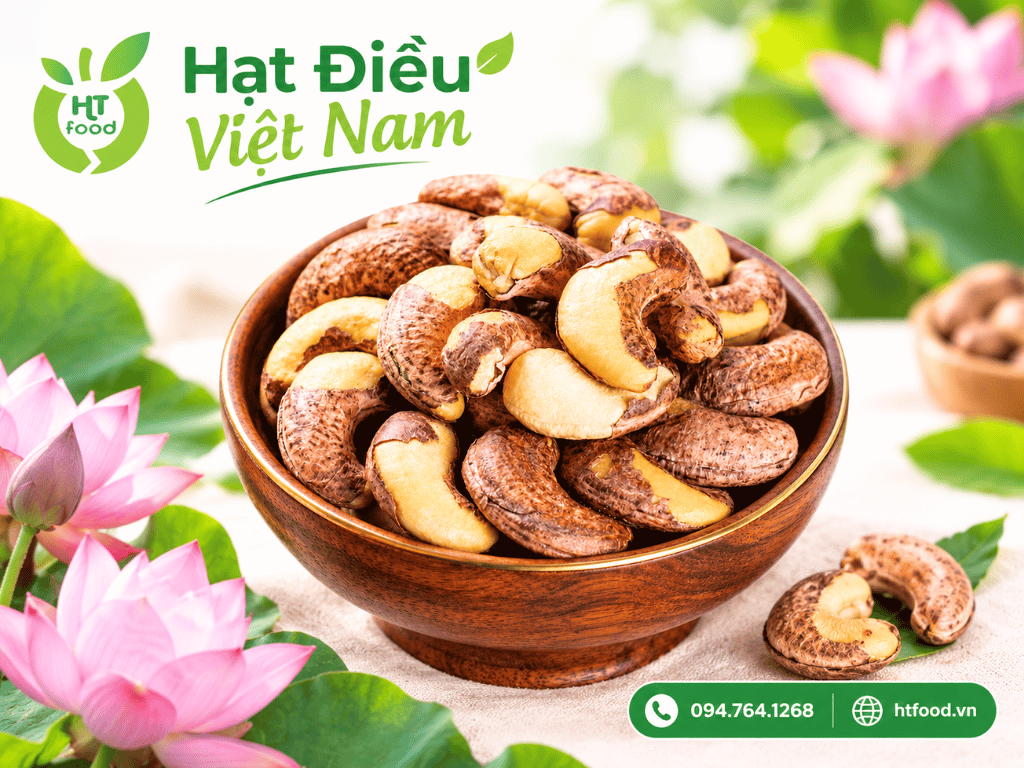
Traditional skin-on roasted cashews usually have a natural golden-brown to dark-brown outer skin. Inside, the kernels typically range from ivory to light golden in color and have a firm, dense texture.
During raw cashew selection, full and firm nuts with well-developed bases and narrow shell gaps are often preferred. However, the quality of the final product also depends on freshness, moisture level, roasting temperature, and storage conditions.
The balanced combination of crunch, creaminess, and natural aroma gives Vietnamese cashews their recognizable appeal. They are enjoyed by consumers in Vietnam and have also become one of the country’s valued agricultural exports.
2. Health benefits of cashews
Cashews provide plant-based protein, fat, carbohydrates, fiber, and several important minerals. Most of the fat found in cashews is unsaturated fat, making them a useful addition to a varied and balanced diet.
When eaten in reasonable portions as a replacement for candy, fried snacks, or foods high in saturated fat, cashews can contribute to an eating pattern that supports heart health.
The combination of protein, fat, and fiber can also help cashews feel satisfying. A small portion makes a convenient snack for office workers, active individuals, or anyone trying to manage how much they eat throughout the day.
Cashews can be included in vegetarian and clean-eating plans. People following a keto diet should pay closer attention to portion size because cashews contain more carbohydrates than certain other nuts, such as macadamias and pecans.
Because cashews are calorie-dense, they should not be eaten without limits. People managing their weight may prefer plain roasted or lightly salted cashews while avoiding products coated with sugar, honey, or heavy seasoning.
Cashews also provide magnesium, phosphorus, and copper. Magnesium and phosphorus contribute to normal functions involving bones, muscles, and energy metabolism, while copper supports connective tissue formation and iron metabolism.
Although cashews contain some calcium, they are not considered a significant source of this mineral. They should be combined with other calcium-rich foods, such as dairy products, calcium-set tofu, leafy greens, or small fish eaten with the bones.
Copper, zinc, and antioxidant compounds in cashews participate in several biological functions, including immune function and the maintenance of connective tissue. These nutrients also play supporting roles in maintaining healthy skin and hair.
However, cashews are a nutritious food rather than a medical treatment. Their effects depend on serving size, overall diet, physical activity, and each person’s individual health needs.
Adults may enjoy approximately one small handful per serving, depending on their daily energy requirements. Anyone with a tree nut allergy should avoid cashews or consult a qualified healthcare professional before eating them.
3. Vietnamese cashews as a gift for international visitors
Vietnamese cashews make a practical and meaningful gift that represents the country’s agricultural heritage. Their approachable flavor, convenient packaging, and relatively easy storage make them suitable for friends, family members, business partners, and international visitors.
Skin-on salted cashews are especially representative of the traditional Vietnamese roasting style. The thin outer skin and lightly salted flavor complement the crisp, creamy kernel and its naturally sweet finish.
Visitors from South Korea, Japan, China, Europe, and the United States can easily enjoy cashews because they are not overly sweet, require no additional preparation, and appeal to a wide range of tastes.
Cashews can be eaten on their own or paired with tea, coffee, yogurt, salads, and breakfast cereals. This versatility makes them more than a regional specialty; they are also useful in everyday meals and snacks.
Compared with many other food gifts, cashews are relatively lightweight and available in a variety of package sizes. Sealed bags, PET jars, and sturdy gift boxes can all be packed conveniently for travel.
When choosing cashews as a gift, look for freshly roasted nuts with consistent quality and packaging that can be resealed after opening. A clean, attractive, and durable package will also make the gift feel more thoughtful.
Before taking cashews abroad, travelers should review the destination country’s food import rules and the airline’s baggage policies. Some countries have specific restrictions on food and plant-based products, even when they have been roasted and packaged.
A carefully selected box of Vietnamese cashews not only shows appreciation for the recipient but also introduces international friends and partners to the flavors and value of Vietnamese agriculture.
4. Where to buy cashews in Vietnam?
Cashews are available at supermarkets, specialty food stores, processing facilities in growing regions, and online stores specializing in nuts. However, the wide range of products on the market can make it difficult to distinguish freshly roasted cashews from those that have been stored for a long time.
Older cashews may lose their crunch, develop a rancid smell, or be covered with strong seasonings that mask their original flavor. Shoppers should not base their decision solely on large size, attractive packaging, or an unusually low price.
Good cashews should feel dry, firm, and crisp, with a rich, buttery flavor. The percentage of broken, damaged, or discolored kernels should be low, and the nuts should not taste bitter or smell like old cooking oil.
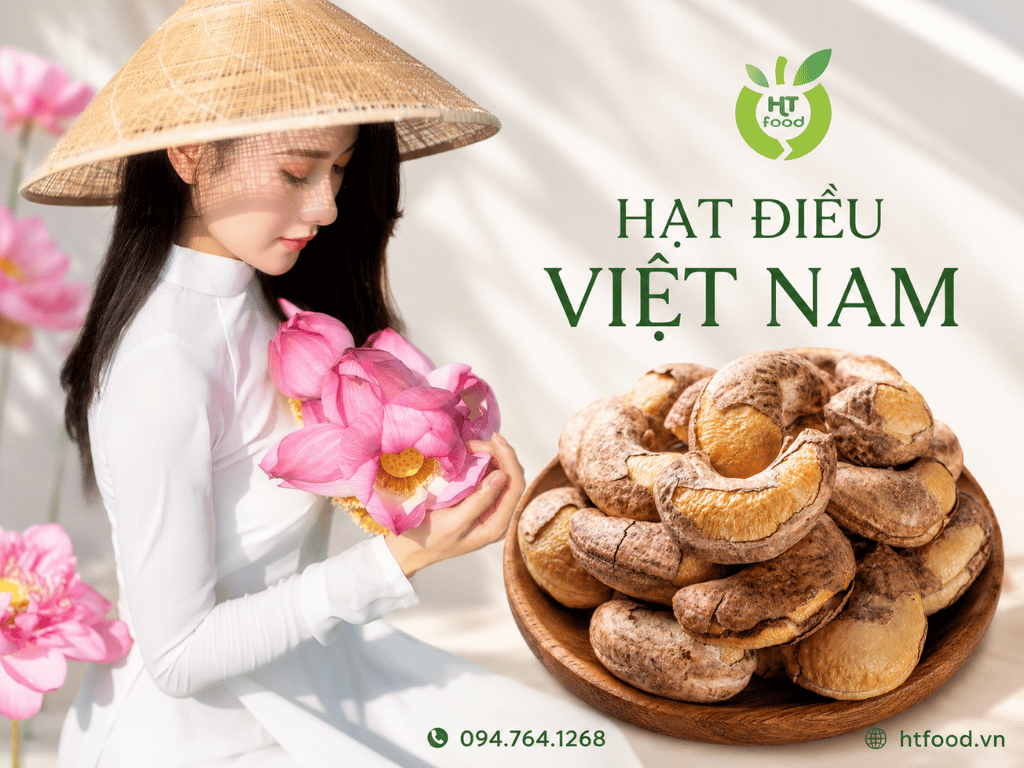
For skin-on cashews, the natural outer skin may range from light brown to dark brown. Slight differences in color are normal and do not mean that every nut must look exactly the same.
Packaging should be tightly sealed to limit exposure to air and moisture. Products that provide a roasting or packaging date make it easier for shoppers to evaluate freshness.
For shelled cashew kernels, W210 and W240 are commercial size grades based on the approximate number of whole kernels per pound. W210 kernels are generally larger than W240 kernels, but size alone does not determine freshness or flavor.
Shoppers should avoid products with excessive seasoning, unusual bitterness, a rancid odor, visible moisture, or signs of mold. An unusually low price may also indicate older stock, a high percentage of broken kernels, or lower-grade ingredients.
HTFood offers Vietnamese cashews selected from Binh Phuoc and several cashew-growing areas in the Central Highlands. The nuts are chosen based on firmness, size, kernel condition, and the requirements of each product line.
HTFood’s salted cashews are traditionally roasted over a wood fire with a moderate amount of salt and are not fried in oil. This roasting method is intended to highlight the natural crunch, aroma, and buttery flavor of Vietnamese cashews.
HTFood offers several packaging options, including sealed bags, PET jars with aluminum lids, and gift boxes. Customers can select an appropriate size for family snacking, entertaining guests, giving as a business gift, or presenting to international visitors.
The products follow three main principles: no preservatives, no bleaching agents, and no mixing with inferior cashews. Customers may contact HTFood directly to ask about current varieties, kernel sizes, roasting dates, and available package options.
HTFood provides delivery to many provinces and cities throughout Vietnam. If a product is damaged during packaging or transportation, customers may contact the company for inspection and return or replacement assistance based on the actual condition.
After opening the package, keep the cashews tightly sealed in a cool, dry place away from direct sunlight and heat. Do not eat cashews that show signs of mold, have an unusually bitter taste, or develop a rancid odor.
CONTACT INFORMATION
HT-Food Vietnam Nutrition Nuts
Hotline/WhatsApp: 094.764.1268